Get Your Free Estimate Today
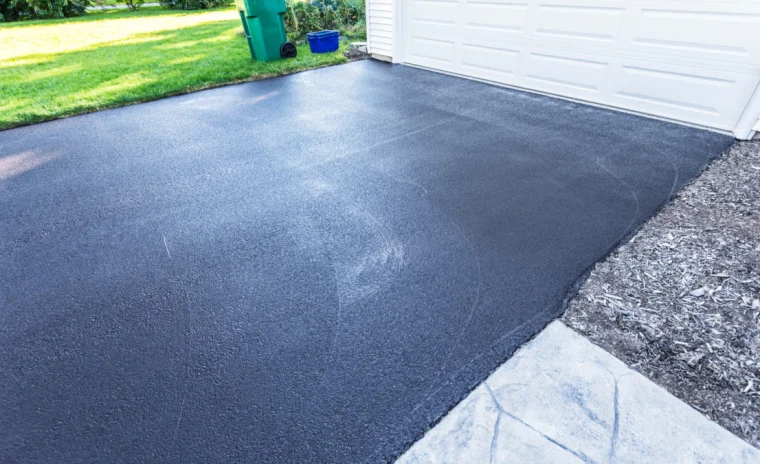
Is your driveway showing signs of wear and tear? If you notice cracks, fading, or uneven patches, it may be time for an asphalt driveway resurface. This process can restore your driveway’s look, extend its life, and improve your home’s curb appeal. In this blog, Black Top Services VA, based in Fredericksburg, VA, walks you through the top signs that it’s time to consider resurfacing and what to expect during the process. Keep reading to learn everything you need to know.
1. Cracks Are Spreading Like a Web
One of the most obvious signs that you need an asphalt driveway resurface is the presence of multiple cracks, especially if they form a pattern like a spider web. These are more than just cosmetic flaws — they indicate that the surface is starting to fail. Over time, water seeps into these cracks, causing the base underneath to erode, which leads to more significant damage.
In some cases, patching might provide a short-term solution. But if the cracking is widespread, resurfacing an asphalt driveway is a more cost-effective and long-term fix. Unlike replacing the entire driveway, resurfacing involves adding a new layer of asphalt on top of the existing one, providing a smooth and durable surface.
2. Potholes Are Becoming a Problem
Potholes are not just an annoyance—they’re a safety hazard. They can damage vehicle tires and suspension systems, and they’re dangerous for pedestrians, too. If potholes are popping up more frequently or getting deeper, it’s time to consider asphalt milling and resurfacing.
This method involves removing the top layer of damaged asphalt (milling) and then applying a fresh layer over the base. This not only restores the surface but also reinforces the strength of the foundation, preventing future potholes from forming.
Even small potholes can lead to big problems if left untreated. If you’ve been filling them and they keep coming back, that’s a sign your driveway needs a full asphalt resurface.
3. Fading Color and Rough Texture
When asphalt is freshly laid, it’s deep black and smooth. Over time, exposure to sunlight, rain, snow, and chemicals causes it to fade to gray and become rough. While this may seem like a cosmetic issue, it signals that the binding oils in the asphalt are breaking down.
If your driveway has lost its color and texture, it’s no longer as resistant to cracks and weather. That’s when resurfacing asphalt becomes necessary. A new layer of asphalt can restore the rich black color and smooth feel of a fresh driveway while protecting the underlying layers from further damage.
Understanding the asphalt resurfacing process will help you make informed decisions. The process typically involves cleaning the existing surface, applying a tack coat to help the new layer bond, and then adding and compacting a fresh layer of asphalt.
4. Drainage Issues and Standing Water
Water is the enemy of any asphalt surface. If your driveway has poor drainage and water tends to pool or run in the wrong direction, it can cause serious damage over time. Standing water seeps into cracks, freezes in winter, and expands, breaking the asphalt apart from the inside.
In cases like these, asphalt resurfacing methods may involve reshaping the surface to ensure proper drainage. Resurfacing can help correct the slope and prevent future water-related problems.
Whether you’re wondering how to resurface asphalt driveway areas with drainage problems or debating whether to resurface or replace the asphalt driveway entirely, an inspection can help determine the best route. But when drainage is the primary issue, resurfacing with a proper grade correction is often the fix you need.
5. It’s Been Over 15 Years Since Your Last Resurface
Even with the best maintenance, no driveway lasts forever. Most asphalt driveways have a lifespan of 15–20 years. If it’s been more than a decade since your last asphalt driveway resurfacing, it’s probably time for a fresh layer.
Older driveways can look fine on the surface but have underlying issues. These problems might include compacted or shifting bases, hairline cracks, and oil saturation. A full asphalt driveway resurface can extend the lifespan of your driveway by another 10–15 years and save you money compared to full replacement.
And if you’re worried about drying time, don’t be. The typical resurfaced asphalt drying time ranges from 24 to 48 hours for light use and up to a week for heavy vehicles, depending on the weather.
Ready to Resurface? Call Black Top Services VA Today
Now that you know the signs, are you seeing them in your driveway? A professional asphalt driveway resurface could be the smart and economical way to bring your pavement back to life. If you’re located in Fredericksburg, VA, Black Top Services VA is your trusted local expert in resurfacing asphalt, whether it’s basic crack repairs, full asphalt milling and resurfacing, or exploring different asphalt driveway resurfacing options.
Don’t wait for minor issues to turn into costly repairs. Give us a call at (540) 604-0464 to schedule a free inspection and estimate. We’ll walk you through the entire asphalt resurfacing process and help you decide whether it’s time to resurface or replace your asphalt driveway.
We’re here to keep your driveway smooth, safe, and looking sharp.